Zippers are often an afterthought until they fail, yet these unassuming fasteners are engineering marvels. They secure our belongings, keep us warm, and add a touch of style, silently holding our world together. But beneath their simple functionality lies a surprising diversity—from the subtle coils that disappear into an evening gown to the rugged teeth that brave the elements on outdoor gear. Understanding Zipper Types and Anatomy isn't just for tailors and designers; it's a vital skill for anyone who wants to choose the right fastener for a project, fix a broken zip, or simply appreciate the genius in everyday objects.
Consider this your comprehensive field guide to the world of zippers, designed to demystify their components, categorize their forms, and empower you to pick the perfect fastener every single time.
At a Glance: Your Quick Zipper Cheat Sheet
- Core Types: Coil (flexible), Metal (durable), Plastic Molded (colorful, water-resistant), Invisible (hidden), Water-Resistant (weatherproof), Dress/Trouser (standard).
- Specialized: Two-Way (opens from both ends), Separating (fully detaches).
- Anatomy: All zippers have tape, teeth, a slider, a pull, and stops. Separating zippers add a box and pin.
- Sizing: Numbers (#5, #10) indicate teeth width in millimeters—higher numbers mean heavier zippers.
- Length: Measured from top stop to bottom stop (or retainer box).
- Weight Categories: Lightweight (#1–#4), Medium-weight (#4.5–#7), Heavy-weight (#7–#10).
- Choosing: Match the zipper to your fabric weight, garment function, and desired aesthetic.
The Unsung Anatomy: What Makes a Zipper, Well, Zip?
Before we dive into the different types, let's get acquainted with the fundamental parts that allow a zipper to function. Think of these as the essential cast members in the silent play of fastening.
Every zipper, regardless of its specific type, relies on these core components:
- Tape: This is the fabric portion on both sides of the zipper where the teeth are attached. It's typically made from polyester or cotton and is sewn into your garment or item. The tape provides the foundation for the entire mechanism.
- Teeth (or Elements): These are the interlocking parts that mesh together when the zipper is closed. They can be made from a variety of materials, including nylon coil, various metals, or molded plastic, and their design dictates the zipper's strength and flexibility.
- Slider: The small, crucial component that moves up and down the teeth, engaging and disengaging them. Its internal design includes a "Y" shape that guides the teeth into alignment and a wedge that separates them when pulled down.
- Pull: Attached to the slider, this is the part you grasp to operate the zipper. Pulls come in countless designs, from basic metal tabs to decorative fobs, offering both functionality and aesthetic appeal.
- Stops: These are the barriers at the ends of the zipper that prevent the slider from running off the tape. There's usually a top stop at the upper end and a bottom stop at the lower end.
For specialized zippers, particularly those that separate completely, you'll find a few additional parts: - Retainer Box (or Bottom Box): Found on separating zippers, this is the cup-like component at the bottom of one tape that the insertion pin slides into. It anchors the zipper halves together before the slider can engage.
- Insertion Pin: Also on separating zippers, this is the slender pin on the opposite tape that inserts into the retainer box, forming the crucial connection point.
- Reinforcement Film: Often used with separating zippers, this is a strip of fabric or other material applied to the tape near the retainer box and insertion pin to provide extra strength and prevent tearing under stress.
Understanding these parts is the first step in appreciating how a zipper works and why certain types are better suited for specific applications.
Diving Deep: Core Zipper Types and Their Best Uses
Zippers aren't one-size-fits-all. Their material and construction are tailored for different demands, from delicate dresses to rugged outdoor gear. Let's explore the primary types you'll encounter.
Coil Zippers: The Flexible Workhorses
Often referred to as nylon or polyester zippers, coil zippers are defined by their teeth, which are actually formed from a continuous coil of nylon or polyester monofilament stitched to the zipper tape.
- What they are: Lightweight, highly flexible, and incredibly versatile. The coil design allows them to bend and curve easily, making them ideal for non-straight applications.
- Best for: Skirts, dresses, lightweight jackets, sportswear, pillows, cushion covers, and outdoor gear where flexibility is key. They're particularly suitable for curved seams.
- Why choose them: Their flexibility makes them comfortable against the body and easy to install on curved lines. They are generally discreet and reliable for everyday use.
Metal Zippers: Strength, Style, and Heritage
When you think of a classic, sturdy zipper, you're likely thinking of a metal zipper. These are the heavy-duty champions, built for resilience and often chosen for their aesthetic appeal.
- What they are: Feature individual, interlocking teeth made from various metals like aluminum, nickel, or brass. They are known for their durability and distinctive, polished finishes (e.g., antique brass, nickel, gold).
- Best for: Jeans, leather jackets, heavy-duty bags, work boots, handbags, and any item where robustness and a noticeable, high-quality look are desired.
- Why choose them: Metal zippers offer superior strength and longevity. Their metallic sheen can also serve as a decorative element, enhancing the garment's overall design. They provide a satisfying "zip" sound and feel that often signifies quality.
Plastic Molded Zippers: The Colorful, Water-Friendly Choice
Plastic molded zippers offer a blend of strength and unique properties, thanks to their construction from injected plastic.
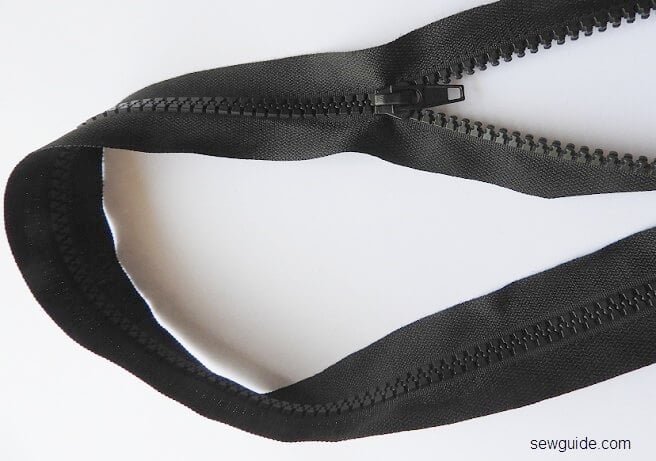
- What they are: The teeth are molded directly onto the zipper tape from plastic resin. This results in a chunkier, often more pronounced look compared to coil zippers. They are lightweight and inherently water-resistant.
- Best for: Swimwear, raincoats, children’s clothing, jackets (especially activewear), and sportswear. Their ability to be dyed vibrant colors also makes them popular for adding a pop of color to designs.
- Why choose them: Their water resistance makes them a natural fit for items exposed to moisture. They are also budget-friendly, offer a wide range of colors, and provide a substantial, yet lightweight, feel.
Invisible Zippers: The Hidden Closure Specialist
For a sleek, uninterrupted look, invisible zippers are the ultimate choice. They are designed to blend seamlessly into the fabric, making the closure almost undetectable.
- What they are: A type of coil zipper where the coil is on the wrong side of the tape when installed, meaning only the tiny pull tab is visible from the garment's exterior. Once zipped, the seam appears continuous.
- Best for: Formal wear, elegant dresses, skirts, tailored garments, and any project where a discreet, hidden closure is paramount.
- Why choose them: They create a clean, professional finish that doesn't detract from the garment's design. However, they require careful and precise installation to truly achieve their "invisible" effect.
Water-Resistant Zippers: Battling the Elements
When your project demands protection from the elements, water-resistant zippers step up to the plate.
- What they are: Typically a coil or plastic molded zipper that features a special water-repellent coating or a polyurethane laminate applied to the tape and sometimes the teeth. This creates a barrier against moisture penetration.
- Best for: Outdoor gear, rain jackets, tents, water-sport bags, and any item designed to be used in wet or damp environments.
- Why choose them: They provide an added layer of protection against rain, splashes, and humidity, helping to keep contents dry. Note that "water-resistant" is not always "waterproof," but it's a significant improvement over standard zippers.
Dress/Trouser Zippers: The Everyday Standard
This is a broad category encompassing standard, non-separating zippers often found in everyday apparel.
- What they are: A common type of closed-end zipper, typically a coil or lightweight metal variety, with the coil usually on the right side of the tape when viewed from the front, and a fixed stopper at the bottom.
- Best for: Trousers, jeans, casual skirts, and various garments where a simple, reliable, and non-separating closure is needed.
- Why choose them: They are widely available, straightforward to install, and perfectly suited for closures that don't need to open completely from the bottom.
Beyond the Basics: Specialized Zipper Mechanisms
Some projects require more than just a simple up-and-down zip. That's where specialized zipper mechanisms come into play, offering enhanced functionality.
Two-Way Zippers: Double the Access, Double the Convenience
Also known as dual or double zippers, these ingenious fasteners feature two independent sliders, allowing for opening from both directions.
- What they are: Imagine two sliders on a single zipper track. This allows you to open the zipper from the top down, the bottom up, or both simultaneously, creating an opening in the middle.
- O-type: Sliders can meet in the middle, and you can open the zipper from between them (e.g., on a suitcase, opening the center).
- X-type: Sliders start at opposite ends and meet in the middle, allowing you to open from both the top and bottom (e.g., on a sleeping bag, for ventilation from the foot or head).
- Best for: Bags, luggage, sleeping bags, long coats or jackets where you might want to unzip from the bottom for ease of movement (e.g., sitting down), and garments that require versatile ventilation or access.
- Why choose them: They offer unparalleled flexibility and convenience, preventing items from having to be fully opened or closed to access specific areas.
Separating Zippers: When Two Halves Must Part
Separating zippers are designed to do exactly what their name implies: allow the two sides of the zipper tape to detach completely, much like opening the front of a jacket.
- What they are: Unlike closed-end zippers, separating zippers utilize a retainer box and an insertion pin mechanism at the bottom. The pin slides into the box, anchoring the two sides before the slider can move up to engage the teeth.
- Best for: Coats, jackets, sweatshirts, vests, and any garment or item where the two sides need to come apart entirely.
- Why choose them: Essential for outerwear where the garment needs to be fully opened and removed, separating zippers provide both secure closure and complete detachability.
Decoding Zipper Sizing: What Do Those Numbers Mean?
You've probably seen numbers like #3, #5, or #10 associated with zippers. These aren't arbitrary codes; they're a standardized system for indicating a zipper's size, weight, and general robustness.
- The Number System: Zipper sizes are typically indicated by a number (e.g., #5, #10). This number directly represents the width (or gauge) of the closed teeth in millimeters. So, a #5 zipper has teeth that are 5mm wide when fully zipped.
- Weight and Durability: Generally, a higher number signifies a greater weight and increased durability. A #3 zipper is fine for a delicate purse, but you'd need a #10 for a heavy-duty tent.
- Measuring Length: Zipper length is measured from the top stop to the bottom stop for closed-end zippers. For separating zippers, the measurement is taken from the top stop down to the bottom of the retainer box, excluding any extra tape beyond these points. Always measure the functional length of the zipper, not the entire length of the tape.
Understanding these numbers helps you choose a zipper that's not only the right length but also the appropriate strength for your project.
Matching Zippers to Your Project: Weight Categories Explained
Beyond the type, the weight of a zipper is crucial for its performance and longevity in your project. Zippers are generally grouped into three weight categories, guided by their size number.
Lightweight Zippers (#1 – #4): For Delicate Touches
These zippers are slim, flexible, and designed for items that don't require heavy-duty fastening.
- Characteristics: Fine teeth, often coil, small sliders.
- Best for:
- Apparel: Skirts, dresses, blouses, children's clothing.
- Home Goods: Cushions, pillows, lightweight curtains.
- Bags: Small pouches, cosmetic bags.
- Pro Tip: Invisible zippers almost always fall into this category due to their need to be discreet. They are perfect for achieving a seamless finish on delicate fabrics.
Medium-Weight Zippers (#4.5 – #7): The Everyday All-Rounders
This category represents the most common zippers, striking a balance between strength and flexibility. They're versatile enough for a wide range of everyday applications.
- Characteristics: More substantial teeth (can be coil, metal, or plastic molded), robust sliders.
- Best for:
- Apparel: Jeans (typically #4.5 or #5 metal), heavier skirts, casual jackets, sportswear.
- Bags: Handbags, backpacks, tote bags, duffels.
- Home/Upholstery: Furniture covers, some outdoor cushions.
- Why they're popular: They offer reliable durability without being overly bulky, making them suitable for items that see regular use.
Heavy-Weight Zippers (#7 – #10): For Rugged Demands
When strength, reliability, and resistance to stress are paramount, you'll turn to heavy-weight zippers.
- Characteristics: Large, strong teeth (often metal or plastic molded), large, sturdy sliders, reinforced tape.
- Best for:
- Apparel: Heavy coats, parkas, workwear, boots.
- Outdoor Gear: Tents, sleeping bags, luggage, boat covers.
- Industrial: Heavy-duty upholstery, protective covers.
- Why they're essential: These zippers are built to withstand significant tension, frequent opening/closing, and harsh environments, ensuring your heaviest items stay securely fastened.
The Science of the Zip: How They Lock and Unlock
Have you ever wondered about the simple genius behind a zipper's interlocking action? It's all in the slider.
When you pull the slider up, the front part of its internal channel features two wedges. These wedges guide the zipper teeth together, aligning their small hooks and hollows perfectly. As the slider continues to move, the two sides of the teeth are forced into each other, creating a secure, interlocking bond.
Pulling the slider down reverses this process. A separating wedge located at the back of the slider pushes the interlocked teeth apart, disengaging the hooks and hollows and allowing the zipper to open. It's a precise dance of geometry and pressure, orchestrated by that seemingly simple slider.
Making the Smart Choice: Your Zipper Selection Playbook
Choosing the right zipper doesn't have to be a guessing game. It's about aligning the zipper's properties with the demands of your project.
Start with Your Pattern (or the Garment's Intent)
If you're following a sewing pattern, your first step is always to consult the notions list. It will almost certainly specify the type, length, and sometimes even the size (#) of zipper required. This is your most reliable guide.
If you're designing from scratch or replacing a zipper, consider these decision criteria:
- Fabric Weight and Type: This is perhaps the most critical factor.
- Lightweight fabrics (silks, chiffons, light cottons) pair best with lightweight coil or invisible zippers to avoid bulk and distortion.
- Medium-weight fabrics (denim, canvas, wool suiting) are versatile and can handle medium-weight coil, metal, or plastic molded zippers.
- Heavy-duty fabrics (leather, heavy canvas, upholstery fabric) demand the strength of heavy-weight metal or plastic molded zippers.
- Garment Function and Environment:
- Does it need to protect against moisture? Opt for water-resistant or plastic molded zippers.
- Does it need to open fully for easy removal? A separating zipper is a must for jackets and coats.
- Does it need versatile access or ventilation? A two-way zipper is ideal for sleeping bags or long coats.
- Will it be under a lot of stress (e.g., a tent entrance, a heavy-duty bag)? Prioritize metal or heavy-weight plastic molded zippers for durability.
- Aesthetic Preference:
- Do you want the zipper to disappear? Go for an invisible zipper.
- Do you want the zipper to be a design element? Metal or chunky plastic molded zippers offer visual appeal with their polished finishes or vibrant colors.
- Is it a functional, no-frills closure? A coil zipper is a reliable choice.
- Seam Type:
- For curved seams and flexible applications, coil zippers are superior.
- For straight seams and sturdy closures, metal or plastic molded zippers work well.
Specific Recommendations from the Experts:
- For curved seams and lightweight fabrics: Always lean towards coil zippers for their flexibility and minimal bulk.
- For heavy-weight garments, visible decorative details, or items requiring significant strength: Choose metal zippers or plastic molded zippers. Their robust nature and visual presence make them excellent choices.
- For hidden closures in tailored garments or elegant wear: The invisible zipper is your unparalleled choice for a seamless finish.
A Savvy Shopping Tip:
If you can't find the exact length of zipper you need, always purchase a longer one. Zippers can almost always be shortened from the top (and sometimes the bottom) to fit your specific requirements. It's far easier to trim a zipper than to try and extend one!
Troubleshooting Common Zipper Questions
Even with a solid understanding, a few questions often pop up. Here are some common queries and their crisp answers.
Q: Can I shorten any zipper?
A: Most zippers can be shortened! Coil zippers are the easiest to trim and sew over. Metal zippers require special tools to remove and re-attach top stops. Separating zippers are more challenging to shorten from the bottom due to their box and pin mechanism, so it's usually done from the top.
Q: What's the real difference between a two-way zipper and a separating zipper?
A: A two-way zipper has two sliders on a single, continuous track, allowing you to open from top, bottom, or middle, but the zipper always remains connected at the bottom. A separating zipper has one slider but is designed to allow the two sides of the zipper to completely detach at the bottom via its box and pin mechanism.
Q: My zipper keeps getting stuck. What do I do?
A: A sticky zipper is often caused by fabric snagging or general friction. You can try lubricating the teeth with a graphite pencil, a bar of soap, or a specialized zipper lubricant. If the slider is bent or damaged, or if teeth are missing, it might be time for a repair or replacement. Our comprehensive how to fix a zipper guide delves into common zipper issues and their solutions.
Your Next Step: Zip with Confidence
The humble zipper, in its myriad forms, is a testament to clever engineering and thoughtful design. Far more than just a functional closure, it's an integral part of how our garments fit, our bags perform, and our gear protects.
By taking the time to understand the different types, their anatomy, and the rationale behind their selection, you're not just learning about a fastener. You're gaining an invaluable skill for informed purchasing, confident crafting, and even smarter repairs. So, the next time you reach for a zipper, take a moment to appreciate the unsung hero—and make sure you're choosing the right one for the job.