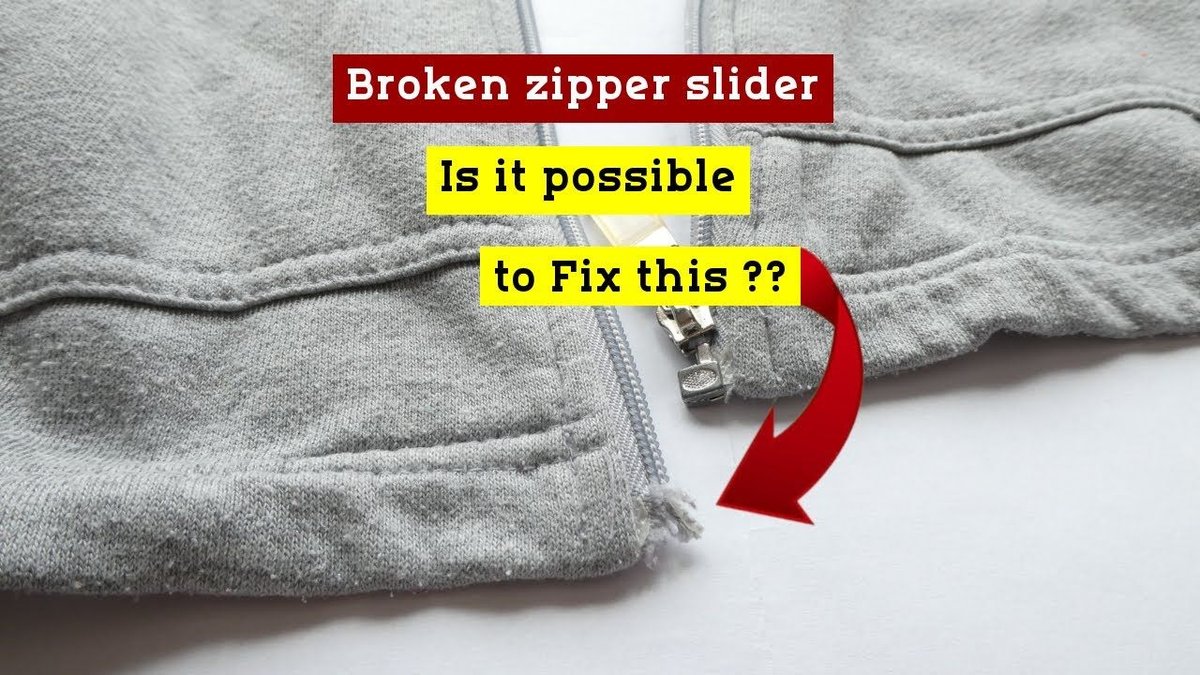
That sinking feeling when your favorite jacket won't zip, your reliable backpack spills its contents, or your tent flap gapes open mid-camping trip. It's a common frustration, and more often than not, the culprit isn't a broken tooth but a faulty zipper slider. Before you toss that beloved item, consider a simple, empowering fix: replacing a zipper slider. It's a surprisingly straightforward repair that can grant your cherished gear a whole new lease on life, saving you money and reducing waste.
At a Glance: Your Quick-Start Guide to Zipper Slider Replacement
- Diagnosis is Key: Most zipper failures (not zipping, not staying closed) point to a defective slider, not broken teeth.
- First Attempt for Metal Sliders: Try tightening a loose metal slider with flat-nose pliers before replacing it.
- Versatile Repair: This method works for metal, molded tooth, and coil zippers.
- Essential First Step: You’ll almost always need to remove the top stop—a small piece at the top of the zipper tape.
- Identify Your Slider: Match the number on the back of your old slider to ensure the new one fits perfectly.
- Secure the End: Use a thick knot for plastic top stop replacements or new stops for continuous zippers.
- Test Thoroughly: Pull the zipper up and down multiple times to confirm proper function.
The Unsung Hero: Why Your Zipper Really Fails
We’ve all been there: you meticulously line up a zipper, begin to pull, and it either refuses to budge, separates behind the slider, or simply won't stay closed. In nearly every one of these scenarios, the problem lies not with the individual teeth themselves, but with the small, often unnoticed component that travels along them: the zipper slider.
The slider is the workhorse. It's engineered to perfectly interlock or separate the zipper's teeth as it moves. Over time, or with repeated stress, the internal mechanisms of a slider—especially the tiny "jaws" that grip the teeth—can wear down, widen, or become deformed. When this happens, it loses its ability to properly engage the teeth, leading to those frustrating failures.
For a metal zipper slider that's just a bit loose and not locking the teeth well, you might be able to buy some extra time. Grab a pair of smooth, flat-nose pliers and gently, but firmly, squeeze the top and bottom of the slider. This can sometimes re-compress the slider's internal channels, allowing it to grip the teeth more effectively. Give it a try; you might be surprised at how often this initial fix works!
However, if tightening doesn't solve the issue, or if your slider is plastic, visibly broken, or just completely unresponsive, it's time for a full replacement. Good news: this method applies broadly to the most common zipper types you'll encounter, including metal, molded tooth (chunky plastic), and coil (fine nylon or polyester) chains.
Is Your Zipper a Candidate for a New Slider? (And When It's Not)
Before you dive into the repair, it's crucial to confirm that a faulty slider is indeed your problem.
A New Slider Is Your Solution If:
- The zipper zips but immediately separates behind the slider.
- The slider moves, but the teeth refuse to interlock.
- The slider moves freely without engaging teeth at all.
- The slider is visibly bent, cracked, or broken.
- The zipper consistently comes undone from the top or bottom, despite appearing zipped.
When a New Slider WON'T Help (and other fixes might be needed): - Broken Zipper Teeth: If individual teeth are missing, bent out of shape, or completely detached from the tape, a new slider won't solve the problem. The slider needs a complete track to operate on. This guide does not address repairing broken zipper teeth, which often requires a full zipper replacement.
- Damaged Zipper Tape: If the fabric tape itself is ripped, frayed, or otherwise compromised right next to the teeth, the zipper won't function correctly even with a perfect slider.
- Damaged Starter Box or Pin (for Separating Zippers): On jackets, sleeping bags, and other items where the zipper fully separates, the "starter box" (the square component at the bottom) or the "insertion pin" (the piece that slides into the box) can get damaged. These components are generally not replaceable, and their failure typically means the entire zipper needs to be replaced.
If your problem falls into the "new slider will help" category, excellent! You're ready to proceed.
Gather Your Tools: Essential Gear for the Job
You won't need a full workshop for this repair. A few basic household tools are usually all it takes:
- Smooth, Flat-Nose Pliers: Indispensable for removing metal top stops, tightening old sliders, and potentially bending plastic components. Avoid serrated pliers if possible, as they can mar surfaces.
- Sturdy Scissors or Nippers: Ideal for snipping thread, cutting zipper tape if needed, and carefully prying off plastic top stops.
- Sewing Needle: A standard sewing needle will work for tying the securing knot.
- Thick Thread: You'll need this to create a new "top stop" knot for plastic zipper types. Button thread or embroidery floss works well for its durability.
- Your New Zipper Slider: The star of the show! Ensure it matches the size of your old slider.
- A Small Container or Dish: For keeping track of tiny removed parts like pullers or metal top stops.
Your Step-by-Step Guide to Replacing a Zipper Slider
Let's walk through the process carefully, ensuring your repair is robust and reliable.
Step 1: Confirm the Culprit (It's Probably the Slider)
Before you start dismantling anything, take a moment to re-confirm that the issue is indeed your slider. Run your fingers over the zipper teeth. Are they all present and accounted for? Are they relatively straight? If yes, then the slider is almost certainly to blame. This small but mighty component is responsible for interlocking the teeth, and when it fails, the zipper fails.
Step 2: Liberate the Top Stop (With Care and Precision)
The "top stop" is a critical component for slider replacement, serving as a barrier to prevent the slider from coming off the top of the zipper chain. It’s typically a piece of metal or plastic that’s larger than the regular zipper teeth, affixed to the very end of the zipper tape near the opening. To replace the slider, you'll need to remove this stop to create an access point.
For Metal Top Stops: These are usually crimped onto the zipper tape. Carefully use your flat-nose pliers to gently pry open the crimped edges. You want to un-bend them enough to release the stop without damaging the zipper tape itself. Set it aside carefully; if it remains intact, you might be able to re-attach it later.
For Plastic Top Stops: These are often molded onto the tape or sewn in place. Sturdy scissors or nippers can be used to snip these off. Be mindful not to cut the actual zipper tape or teeth. Plastic stops are typically permanently removed and cannot be reused.
Crucial Considerations for Separating Zippers (Like on Jackets or Coats):
Always remove the top stop from both sides of the zipper for separating zippers. It’s absolutely vital that you never attempt to remove the "starter box" (the square housing at the bottom) or the "insertion pin" (the part that slides into the box). These components are integral to a separating zipper's function and are not designed to be replaceable without replacing the entire zipper. Removing them will render your zipper irreparable through this method.
For Continuous Zippers (Like on Bags or Sleeping Bags):
Removing the top stop from one side of the zipper provides sufficient access to slide the old slider off and the new one on. If your continuous zipper has two sliders, you might need to remove stops from both ends, depending on which slider you're targeting.
Step 3: Say Goodbye to the Old Slider
With the top stop removed, the path is clear. Simply slide the defective slider all the way up the zipper chain until it comes off the top. Discard it, or keep it handy for comparing sizes if you haven't already.
Step 4: Welcome the New Slider (Sizing Up Your Replacement)
This step is where precision matters. The key to a successful replacement is finding a new slider that perfectly matches the size of your existing zipper chain.
Matching the Size:
Most zipper sliders have a small number stamped or engraved on their backside (e.g., "3," "5," "8," "10"). This number indicates the zipper size. You absolutely must find a new slider with the identical number. If there's no number, you'll need to compare the physical dimensions of the old slider to potential replacements. Don't eyeball it; even a slight difference in size will prevent the new slider from properly engaging the teeth.
Installing the New Slider:
Once you have your correctly sized replacement slider, it's time to install it. Take the new slider and carefully insert it onto the zipper tape from the very top (the end where you removed the stop). The slider should orient in the same direction as the old one, ready to zip "up" the item. Gently pull the slider down the zipper tape, about halfway down the length of the zipper. This helps center it and ensures it's properly engaged before you secure the end.
Reusing Pullers/Toggles:
Don't forget the small "puller" or "toggle"—the part you actually grab to operate the zipper. If your new slider didn't come with one (or if you prefer the original), simply unclip or unthread the puller from your old slider and re-attach it to the new one.
Step 5: Secure the Zipper End (Preventing Future Escapes)
Now that your new slider is in place, you need to recreate the top stop to prevent it from sliding right off the end again. The method depends on what kind of top stop you removed.
If a Plastic Top Stop Was Removed (or if you prefer this method):
This is where your needle and thick thread come in.
- Thread your needle: Use a sturdy thread like button thread or embroidery floss, and double it up for extra strength.
- Start your knot: Begin by making a small stitch through the zipper tape, just above where the slider rests when fully closed. This stitch should go through the fabric tape itself, not through any teeth.
- Build the knot: Loop the thread around itself, creating a small knot. Continue making stitches and building up the knot in the same spot, layering the thread. The goal is to create a robust, thick knot that is significantly larger than the opening of the slider.
- Test the size: Periodically try to pull the slider over your growing knot. The moment the knot is large enough to prevent the slider from passing, you've succeeded. Secure your thread with a final knot and trim any excess. This handmade "knot stop" is incredibly effective and durable.
For Continuous Zippers (and sometimes separating zippers):
If you removed metal stops and they were too damaged to re-attach, or if you're dealing with a continuous zipper that needs new stops (e.g., if you cut the zipper tape to remove the old slider), you'll need to install new stops. These are small metal crimp-on stops available at most craft or sewing supply stores. They function similarly to the original metal stops, crimping onto the zipper tape to create a barrier.
Step 6: Reconnect the Puller (Adding the Finishing Touch)
This is a quick and satisfying step. If you removed the original pulling string, loop, or metal tab from your old slider, simply re-attach it to the new slider. Most sliders have a small eyelet or hole designed for this purpose. It makes the zipper much easier and more comfortable to use.
Step 7: The Grand Test (Putting Your Work to the Wringer)
The moment of truth! Don't just give it one tentative pull. Engage the zipper fully, pulling it all the way up and then all the way down, multiple times.
- Does it move smoothly?
- Do the teeth interlock perfectly?
- Does it stay closed?
- Does the new top stop hold the slider securely in place?
If everything works as it should, give yourself a pat on the back. You've successfully performed a crucial repair!
Common Questions About Zipper Slider Replacement
Even with a detailed guide, a few questions often pop up. Let's address some of them.
"Can I replace a slider on any zipper type?"
This method is broadly applicable to metal, molded tooth (chunky plastic), and coil (nylon/polyester) zippers, which cover the vast majority of zippers you'll encounter. The key differences lie in how you remove and secure the top stops, but the core process for changing the slider remains the same.
"How do I know what size slider to buy if there's no number?"
While most sliders have a number on the back, if yours doesn't, you'll need to rely on careful measurement. The most crucial measurement is the width of the zipper chain when zipped closed. Sliders are usually measured by the width of the teeth in millimeters. You'll have to compare your old slider's dimensions (especially its internal channel width) with replacement options to find the closest match. It's often helpful to bring the item or the old slider to a specialized sewing store for expert advice.
"What if I can't find the exact slider type, even with the number?"
Sometimes, older or highly specialized zippers might have unique slider designs that are hard to match. If you can't find an exact aesthetic match, focus on matching the size number. Functionality is paramount. A plain, correctly sized slider is better than a fancy, ill-fitting one. If the slider body is a perfect match but the puller isn't, remember you can often reuse your original puller.
"What if the zipper still doesn't work after replacing the slider?"
If you've followed all the steps and the zipper still isn't functioning, retrace your steps:
- Double-check the slider size: Is it truly an exact match to the original? Even a tiny discrepancy can cause failure.
- Re-examine the zipper teeth: Are there any bent, missing, or damaged teeth you overlooked initially? If so, the issue might be beyond a slider replacement.
- Ensure the slider is fully engaged: Make sure both sides of the zipper tape are properly fed into the slider when you start zipping.
- If all else fails, the zipper tape itself might be stretched or damaged, making it impossible for even a perfect slider to work.
"Is this fix permanent?"
A properly replaced zipper slider is as permanent as the original. The lifespan will depend on the quality of the new slider, the material of the zipper, and how much wear and tear the item receives. For most items, a new slider will last for years, restoring full functionality.
Beyond the Slider: When It's Time for a Bigger Fix
While replacing a zipper slider is an incredibly powerful and satisfying repair, there are times when it simply won't cut it. If you're facing broken teeth, deeply frayed zipper tape, or a completely mangled starter box on a separating zipper, the solution will likely involve replacing the entire zipper. This is a more complex sewing task, often requiring specialized tools and techniques, and sometimes best left to a professional tailor or cobbler.
Give Your Beloved Items a Second Chance
Don't let a minor malfunction condemn a perfectly good item to the landfill. Replacing a zipper slider is a practical skill that not only saves you money but also contributes to a more sustainable lifestyle. Imagine the satisfaction of bringing your favorite jacket, backpack, or pair of boots back to life with your own two hands. It's a small repair with a big impact, proving that with a little know-how, many of the items we've given up on can indeed get a second chance.