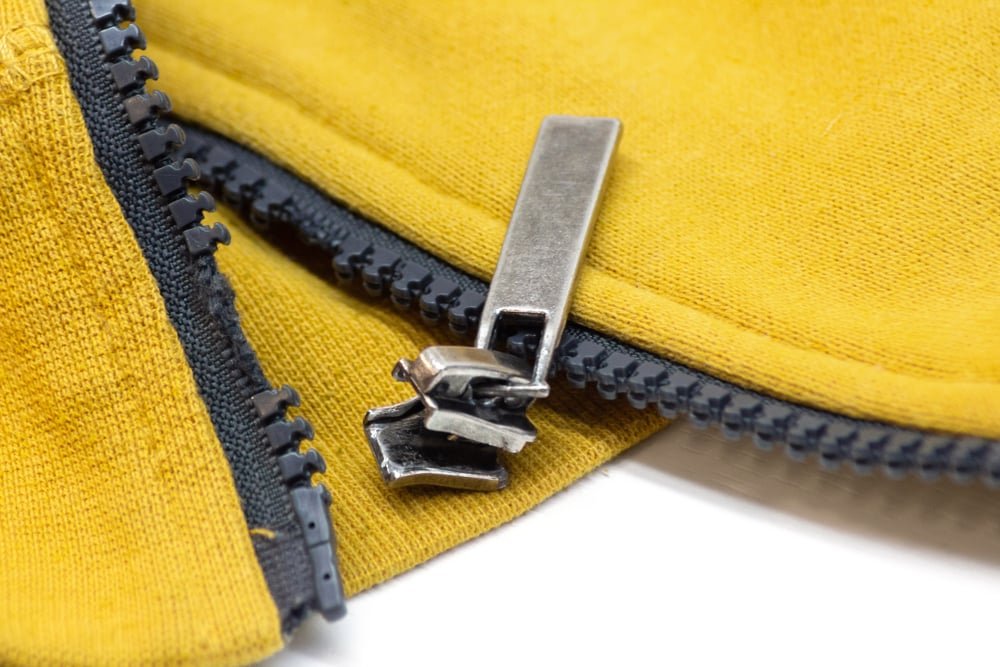
Few things are as frustrating as a zipper that refuses to budge. Whether you’re racing out the door, wrestling with camping gear, or simply trying to close your favorite jacket, a stuck or jammed zipper can bring your plans to a grinding halt. But before you resort to brute force – which almost always makes things worse – know that most sticky situations don't call for a trip to the tailor or a brand-new item. With the right approach and a little patience, you can often implement quick fixes for stuck or jammed zippers right at home, restoring their smooth, reliable glide.
This guide will equip you with the knowledge and techniques to diagnose and fix the most common zipper woes, from simple fabric snags to more stubborn mechanical issues.
At a Glance: Getting Your Zipper Back on Track
- Patience is Key: Never force a stuck zipper; gentle manipulation prevents further damage.
- Inspect First: Always check for obvious obstructions like caught fabric or debris.
- Cleanliness Matters: Dirt, lint, and grit are common culprits; a thorough cleaning often solves the problem.
- Lubricate Wisely: Apply appropriate lubricants like wax or silicone, but avoid petroleum-based products on fabric.
- Mechanical Check: If cleaning doesn't work, look for bent teeth or a loose slider.
- Preventative Care: Regular cleaning and lubrication extend zipper life dramatically.
Why Zippers Get Stuck: The Usual Suspects
Before you can fix a jammed zipper, it helps to understand why it’s not cooperating. Most issues stem from one of four core problems:
- Accumulated Grime: The most common culprit. Dirt, lint, sand, salt, and other debris build up within the zipper teeth and the slider mechanism. This creates friction, making it difficult for the slider to move freely. Think of it like grit in a machine’s gears.
- Environmental Factors: Zippers on outdoor gear, marine equipment, or even clothing exposed to harsh elements face unique challenges. Salt can crystallize and fuse teeth together, chemicals can corrode metal or weaken plastic, and prolonged UV exposure can harden zipper tape, making it stiff and prone to jamming.
- Fabric Obstruction: A classic jam! A stray thread, a bit of lining, or the edge of the surrounding material gets caught in the zipper chain, preventing the slider from advancing. This often happens quickly and without warning, clamping the fabric tightly.
- Mechanical Stress & Damage: Over time, zippers endure wear and tear. Prolonged stress, rough handling, or manufacturing flaws can misalign the slider, bend its metal housing, or even stretch the coiled teeth. When these components are out of sync, the zipper can jam, skip teeth, or refuse to engage properly.
Understanding the cause helps you choose the right solution. Now, let’s get those zippers moving again.
Your First Line of Defense: Surface-Level Fixes
Most stuck zippers are simple surface-level problems that can be resolved with careful cleaning and lubrication. This is where you start.
Step 1: Inspect for Obstructions
Before reaching for cleaners or lubricants, take a close look at the zipper. This initial inspection is crucial for diagnosing the problem accurately.
- Visual Check: Carefully examine the zipper path, the teeth, and the inside of the slider. Look for any visible fabric, threads, clumps of dirt, sand, lint, or debris. A magnifying glass can be incredibly helpful here, especially for fine-toothed zippers.
- Gentle Probing: If the slider is stuck, gently try to wiggle it in both directions. Does it move slightly before catching, or is it completely frozen? This helps gauge the severity of the jam.
Step 2: Remove Visible Obstructions
Once you've identified what's caught, carefully remove it.
- Caught Fabric: This is the most common and often easiest fix.
- Stabilize: Hold the surrounding fabric taut and flat with one hand, especially near the jammed area.
- Gently Pull Back: With your other hand, slowly and carefully pull the caught material backward, away from the slider's teeth. Think of easing it out, not yanking it. You want to free the fabric without damaging the zipper or the garment.
- Wiggle the Slider: As you pull the fabric clear, try to gently wiggle the slider a tiny bit to help it release its grip. Never force it.
- Visible Particles: For sand, dust, lint, or dried mud:
- Tools: Grab a pair of tweezers for stubborn threads, a soft-bristled toothbrush to dislodge smaller particles, or even a small hand vacuum or compressed air to blow away loose debris.
- Technique: Work systematically along the zipper chain, paying extra attention to the areas around and beneath the slider.
Step 3: Clean the Zipper Chain
Even if no obvious debris is caught, friction from microscopic grime can cause a jam. A good cleaning can often make all the difference.
- Mild Soap & Water:
- Mix a drop of mild dish detergent (like dish soap) with warm water.
- Dip a cotton swab, a soft cloth, or an old toothbrush into the solution.
- Gently scrub along the zipper chain, focusing on the teeth and the inside surfaces of the slider. Work slowly, ensuring the cleaning solution gets into the crevices.
- Rinse the area with a fresh, clean, damp cloth (or a cotton swab dipped in clean water) to remove all soap residue.
- Dry the zipper thoroughly with a lint-free cloth or let it air dry completely. Moisture left behind can lead to rust or further issues.
- Windex Alternative: For metal zippers, some find success with Windex.
- Spray a small amount of Windex directly onto the zipper teeth and the slider.
- Let it sit for 1-2 minutes to penetrate and loosen grime.
- Gently work the slider back and forth in small increments. The Windex can act as a temporary lubricant and cleaner.
- Wipe away any residue with a clean cloth.
Step 4: Apply Lubricant
Once the zipper is clean and completely dry, it's time to reduce friction with a suitable lubricant. Choosing the right one is important to avoid attracting more dirt or damaging fabric.
- Recommended Lubricants:
- Paraffin Wax: A classic choice. Rub a plain white candle or a block of paraffin wax directly along the zipper teeth, coating both sides.
- Silicone Spray: Excellent for outdoor gear, marine zippers, and plastic zippers. Spray a small amount onto a cloth or cotton swab, then apply it to the zipper teeth. Silicone provides a lasting, water-resistant barrier.
- Beeswax: Similar to paraffin, beeswax is natural and effective.
- Graphite (Pencil Lead): Rub the tip of a pencil (preferably a soft lead, like 2B or 4B) along the teeth. The graphite acts as a dry lubricant, ideal for metal zippers where wet lubricants might attract dust.
- Bar Soap: A dry bar of soap can be rubbed along the teeth.
- Lip Balm/Petroleum Jelly (Vaseline): Apply a thin layer with a cotton swab. Use sparingly, as these can attract dust over time.
- Coconut Oil: A natural alternative, apply sparingly with a swab.
- Talcum Powder: For very fine zippers, a light dusting of talcum powder can reduce friction.
- Caution with WD-40 & Petroleum Oils:
- Avoid Direct Application on Fabric: Petroleum-based oils and products like WD-40 can degrade certain fabrics, leave stains, or attract more dirt and grime over time, creating a worse long-term problem.
- Use Sparingly on Metal Only: If you must use WD-40 on a metal zipper, apply it very sparingly to a cotton swab first, then dab it only onto the metal teeth and slider mechanism. Keep it strictly away from the fabric tape. Immediately wipe away any excess.
Step 5: Test Movement and Wipe Residue
With cleaning and lubrication complete, it's time to see if your efforts paid off.
- Gentle Wiggles: Slowly and gently work the slider back and forth in small increments. Don't force it. The goal is to distribute the lubricant evenly and gradually free the mechanism.
- Repeat if Needed: If you still feel significant resistance, repeat the cleaning and lubrication steps. Sometimes, a stubborn jam requires a second pass.
- Clean Up: Once the zipper is moving smoothly, use a clean, lint-free cloth to wipe away any excess lubricant from the teeth and fabric tape. This prevents new dust and dirt from adhering to the freshly lubricated surface.
When It's More Than Just Grime: Tackling Mechanical Jams
If surface-level fixes don't get your zipper unstuck, the problem might be mechanical. This requires a bit more finesse and the right tools. For deeper dives into various zipper issues, you might find our guide on how to fix zippers particularly useful.
Prerequisite: Relieve Tension
Before attempting mechanical adjustments, it's best to relieve any tension on the zipper.
- Open Both Ends: If possible, try to open both ends of the zipper fully.
- Lay Flat: Lay the item containing the zipper flat on a sturdy surface. This gives you a stable base to work from.
Fix 1: Misaligned Teeth
Sometimes, zipper teeth get bent or twisted, preventing the slider from engaging properly.
- Straighten the Tape: Gently straighten any twists or kinks in the zipper tape with your fingers. Ensure the teeth are aligned as much as possible before any further intervention.
- For Metal Zippers:
- Tool: You'll need fine needle-nose pliers or jewelry pliers.
- Technique: Carefully examine the teeth for any that are obviously bent or out of place. Use the pliers to gently nudge each bent tooth back into its correct position. Work slowly, adjusting one tooth at a time.
- Caution: Avoid squeezing too tightly or using excessive force, as metal teeth can snap or warp permanently. The goal is gentle persuasion, not brute strength.
- For Plastic/Molded Zippers:
- Mild Heat: Plastic teeth are less forgiving with pliers. Instead, use mild heat from a hairdryer on a low setting. Direct the heat at the misaligned area for a few seconds to soften the plastic slightly.
- Reshape: Immediately after heating, use a blunt edge (like the back of a plastic knife, a guitar pick, or even your fingernail) to gently press the teeth back into alignment.
- Caution: Do not use metal tools forcefully on plastic zippers, as they can easily damage the softer material. Avoid overheating, which can melt the plastic.
Fix 2: Loose or Stretched Slider
If the zipper slider feels loose, moves freely but doesn't engage the teeth, or consistently pops open, it might be stretched or worn. The channels inside the slider that grip the teeth may have widened.
- Tool: Small pliers (needle-nose or regular).
- Technique:
- Isolate the Slider: Position the slider at one end of the zipper, away from the teeth, if possible.
- Gentle Crimp: Use the pliers to very gently crimp each side of the slider's metal housing. You're aiming to slightly narrow the gap through which the teeth pass.
- Maintain Centering: Be extremely careful not to crimp too much, or to warp the slider, which would make it jam even worse. The goal is to restore just enough tension for the slider to grip the teeth again, ensuring it remains centered over the zipper chain.
- Test and Adjust: After a tiny crimp, test the zipper's movement. If it's still too loose, repeat with another tiny crimp. If it feels too tight, you may have over-crimped and might need to very carefully use a flathead screwdriver to slightly pry it open (this is very risky).
Post-Adjustment Care
After any mechanical adjustments, always follow up with these steps:
- Lubricate: Lightly lubricate the adjusted teeth and the slider with one of the recommended lubricants (like paraffin wax or silicone spray).
- Test Thoroughly: Move the slider through its full range several times, both opening and closing the zipper, to ensure smooth operation. Listen for any grinding or catching.
- Wipe Clean: Remove any excess lubricant.
Knowing When to Call It: Repair vs. Replacement
Despite your best efforts, some zippers are beyond a quick fix. Knowing when to admit defeat and replace a zipper saves you time, frustration, and potential damage to your garment or gear.
You'll likely need to replace a zipper if:
- Missing or Severely Damaged Teeth: If several teeth are missing from the chain, or if molded plastic segments are cracked or broken, the zipper can't form a secure connection.
- Torn Zipper Tape: If the fabric tape on either side of the teeth is torn, frayed beyond repair, or detaching from the garment, the zipper's foundation is compromised.
- Slider Beyond Repair: If the slider no longer grips the teeth after careful crimping, or if it's bent, broken, or warped beyond recognition, it's likely time for a replacement.
- Snapping Sounds: If you hear snapping or cracking noises when manipulating the zipper, especially on plastic coil zippers, it's a sign of internal damage.
Attempting further repair on severely damaged zippers can often harm the surrounding fabric or equipment, making a professional repair or replacement more costly. For items like high-end outdoor jackets or luggage, consider replacing a faulty zipper with a higher-gauge or more durable model for improved longevity in demanding applications.
Keep Zippers Zipping: Prevention and Long-Term Care
The best fix is prevention. Regular maintenance can dramatically extend the life of your zippers and save you from frustrating jams.
- Routine Cleaning: Make it a habit to regularly clean your zippers, especially on frequently used items or gear exposed to the elements. Use a soft brush to remove abrasive particles like sand, dirt, and lint from the zipper chain.
- Regular Lubrication: Apply a wax-based lubricant (like paraffin or beeswax) or a silicone spray 2-3 times per season for outdoor gear, tents, backpacks, and marine equipment. This creates a protective barrier against salt, humidity, and general wear.
- Post-Use Care: For gear used in industrial or marine environments, rinse zippers thoroughly with fresh water after every use. Allow them to dry completely before storage to prevent salt crystallization and corrosion.
- Proper Storage: Store items in a dry, shaded space to minimize exposure to UV light and excessive moisture, both of which can degrade zipper components over time. Avoid compressing gear tightly around curved zippers, as this can put undue stress on the teeth and sliders, leading to bending and jamming.
- Gentle Operation: Always open and close zippers slowly and carefully. Avoid yanking, pulling too hard, or forcing a resistant zipper. When zipping, ensure surrounding fabric is clear of the path.
- Early Correction: Address minor zipper misalignments immediately. If you notice one side of the chain riding higher than the other, or a single tooth slightly out of place, correct it gently before it leads to progressive tooth fatigue and a larger mechanical failure.
Final Word: Patience, Precision, and Persistence
Dealing with a stuck zipper can feel like a minor crisis, but with the right approach, it doesn't have to be. Remember the three P's: Patience, Precision, and Persistence. Forcing a zipper is almost always counterproductive, leading to further damage that's harder, if not impossible, to fix. Instead, take a moment to assess the situation, gather your simple tools, and apply these quick fixes with care.
By understanding the causes of jams, knowing how to clean and lubricate effectively, and recognizing when a mechanical tweak is needed, you'll be well-equipped to get your zippers back in action. Moreover, adopting a routine of preventive maintenance will ensure your zippers continue to glide smoothly for years to come, keeping your gear functional and your frustration levels low.