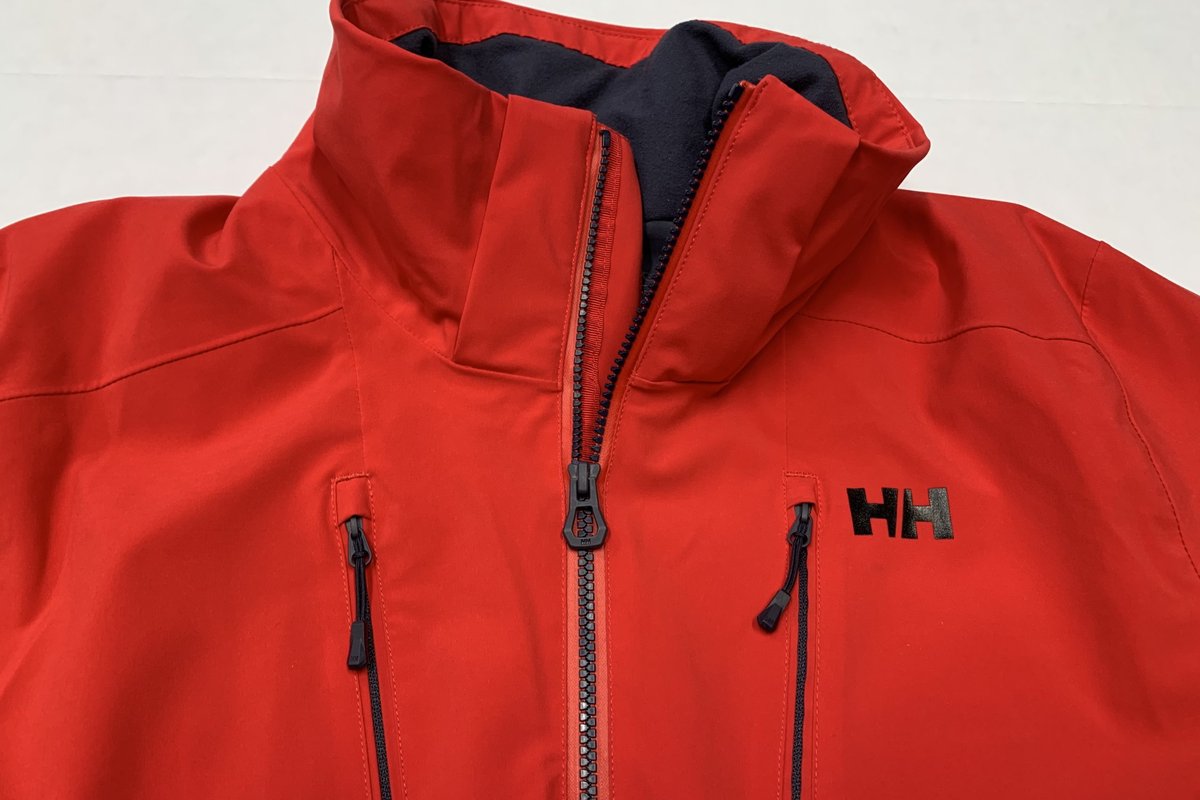
The rhythmic glide of a well-functioning zipper is a small, satisfying pleasure we often take for granted. That is, until it jams, snags, or utterly breaks, turning your favorite jacket into a hassle or your trusty backpack into an open-mouthed mess. Before you banish that beloved item to the back of the closet or, worse, the trash, consider this: many zipper woes are completely fixable. This comprehensive Full Zipper Replacement Guide is your definitive resource for understanding, diagnosing, and repairing damaged zippers, empowering you to extend the life of your garments and gear.
Far from a simple "pull and pray" situation, zipper repair exists on a spectrum. From a quick swap of a missing puller to a complete overhaul involving delicate sewing, understanding where your particular problem lies is the first step towards a successful fix.
At a Glance: Your Zipper Repair Quick-Start
- Missing Pull? The easiest fix involves simply attaching a new puller to the existing slider.
- Slider Stuck or Not Zipping? If the teeth are fine, you can often replace just the slider.
- Broken Teeth or Frayed Tape? A full zipper replacement is typically necessary for major damage.
- Complex Garment? Don't hesitate to consult a professional tailor for intricate items or specialty fabrics.
- DIY Benefits: Save money, reduce waste, and gain a satisfying sense of accomplishment.
The Annoying Truth About Zippers & Why Repair Matters
Zippers are everywhere, a marvel of engineering that brings functionality to everything from your jeans to your tent. But like any mechanical component, they wear out, get abused, or simply give up the ghost. When a zipper fails, it doesn't just inconvenience you; it renders an otherwise perfectly good item unusable.
Learning to repair a zipper, even attempting a full replacement, isn't just about fixing a specific problem. It's about sustainability, saving money, and preserving items that hold sentimental value. It’s a practical skill that connects you more deeply with your belongings and challenges the throwaway culture. So, let’s roll up our sleeves and explore the spectrum of zipper repair, from the quick fix to the full-blown overhaul.
When Your Grip Slips: Replacing a Zipper Pull
This is the most common and arguably the easiest zipper repair. It's for those times when the small handle you use to move the slider breaks off or goes missing, but the slider mechanism itself is still perfectly intact and functional. Think of it as replacing a doorknob without changing the entire lock.
Is This Your Problem?
- The metal or plastic tab you grip to pull the zipper up and down is broken, bent, or completely gone.
- The slider itself moves freely along the teeth, but you just can't grab it.
What You'll Need
- Replacement zipper pull (available in various styles online or at craft stores)
- Small pliers (optional, for stubborn attachments)
Your Step-by-Step Rescue Plan
- Clear the Debris: First, carefully remove any leftover fragments of the broken pull from the small hole in the slider. You want a clean slate for your new attachment.
- Thread the New Pull: Take your new pull and thread its attachment mechanism through the small hole on the slider. Many modern replacement pulls are designed with hooks or clasps for tool-free attachment, making this step a breeze.
- Assist if Needed: If the hole is particularly tight or the pull's clasp isn't easily going through, a pair of small needle-nose pliers can be your friend. Gently use them to hold the slider tab open or guide the pull through the opening. Avoid excessive force to prevent bending or damaging the slider itself.
- Secure and Test: Once the new pull is threaded, snap it into place or close its clasp securely. Give it a few test runs up and down the zipper tape to ensure it's firmly attached and operates smoothly. Voila! You’ve got a fully functional zipper again.
When the Mechanism Misfires: Replacing a Zipper Slider
A faulty slider is a step up in complexity from a broken pull, but it's still a very manageable DIY project if the zipper teeth themselves are in good shape. This repair is for when the slider component refuses to move properly, is visibly bent, misaligned, or isn't gripping the teeth correctly to join or separate them. Crucially, this guide does not apply if zipper teeth are broken or missing. If that's the case, you're likely looking at a full zipper replacement (covered next).
Identifying a Defective Slider
- The zipper won't stay closed, even after you pull the slider up.
- The slider gets stuck repeatedly, refusing to budge despite wiggling.
- Teeth behind the slider aren't engaging properly, leaving a gap.
- The slider itself looks bent, squashed, or visibly distorted.
Gearing Up: Tools for Slider Surgery
- Sturdy scissors or small pliers (for removing the top stop)
- Sewing needle
- Thick, strong thread (matching or contrasting, as it will be visible)
- New zipper slider (ensure it matches the zip tape size!)
- Any original pullers/toggles/fasteners from your old slider
Your Precision Repair Roadmap
- Confirm the Diagnosis: Before you start snipping, carefully inspect the zipper. Run your fingers along the teeth to ensure they are all present, straight, and unbroken. Confirm that the problem is indeed the slider, not the teeth.
- Locate and Remove the Top Stop: Look at the very top of the zipper tape. You'll find a small plastic or metal piece, usually larger than the individual teeth, known as the "top stop." This stop prevents the slider from coming off the top.
- For plastic stops: Use sturdy scissors to carefully snip it off. This is a permanent removal.
- For metal stops: Use pliers to gently un-bend the prongs holding it in place. You might be able to reuse a metal stop if it doesn't get too damaged, but it's often easier to plan for a replacement knot. Keep the removed stop for reference if you plan to tie a new knot.
- Extract the Defective Slider: Once the top stop is removed, you can simply slide the damaged slider all the way up and off the zipper tape. Discard it.
- Select and Insert the New Slider:
- Sizing is Key: Look on the backside of your old slider; there’s usually a small number (e.g., 3, 5, 8, 10). This indicates the zipper gauge or size. Purchase a new slider that precisely matches this number. Mismatched sliders won't work!
- Installation: Take your new slider. Ensure any original pullers/toggles/fasteners are removed from the old slider and set aside for reuse. Slide the new slider onto the zipper tape from the very top (where you removed the stop). Pull it down about halfway to the middle of the zipper.
- Tie a New "Top Stop" Knot: Since the original top stop is gone, you need to create a new one to prevent your slider from coming off again.
- Using your sewing needle and thick thread, push the needle through the zipper tape right where the old top stop used to be (just above where the slider should stop).
- Make a standard hand-sewing knot. Now, repeatedly sew through the zipper tape in the same spot, building up a thick bundle of thread. Think of it like creating a small, sturdy mound.
- Periodically, test the slider by gently pulling it up to see if the knot is thick and strong enough to stop it. Keep adding thread until the knot provides a secure barrier.
- Once sufficient, make a final securing knot and trim any excess thread. You can choose a thread color that matches your zipper tape for a subtle look, or a contrasting color for a bit of visible personality.
- Re-attach the Puller and Test: Attach any original pullers, strings, or loops to your new slider. Now, give the zipper a thorough test run, pulling it up and down several times to ensure smooth operation and that your new top stop holds firm. This often resolves the problem, giving new life to an item you thought was doomed. Sometimes, understanding the root of the problem is half the battle; if you're still unsure about the specific issue, our guide on how to fix a broken zipper can provide further insights.
When Only a Full Overhaul Will Do: Replacing an Entire Zipper
This is the most involved zipper repair, reserved for when the damage is extensive. If you have bent, broken, or missing teeth, significant fraying of the zipper tape itself, or if both the slider and pull are utterly unusable, a full zipper replacement is your best — and often only — option. While it requires more time and patience, it’s a deeply satisfying and highly effective repair.
Signs You Need a Total Replacement
- Numerous zipper teeth are broken, missing, or permanently bent out of alignment.
- The zipper tape fabric is torn, frayed, or coming apart from the garment.
- The zipper is constantly splitting open even with a new slider.
- It's a "bottom-up" problem where the starting box or pin is damaged (common on separating zippers for jackets).
Tools for the Big Job
- Seam ripper (your best friend for this task)
- Sewing machine (optional, but highly recommended for speed and neatness)
- Strong, all-purpose thread (matching garment/zipper color)
- Sharp fabric scissors
- Pins or sewing clips
- Replacement zipper (matching original in type, length, and weight)
The Full Zipper Replacement Process
- Select Your New Zipper: This is a crucial first step.
- Type: Does it need to be separating (like on a jacket) or non-separating (like on pants)?
- Length: Measure the old zipper from top to bottom (teeth only for non-separating, full tape for separating).
- Style: Metal, nylon coil, or plastic molded? Try to match the original for aesthetic and functional integrity.
- Weight/Strength: A heavy-duty jacket needs a heavy-duty zipper. A dress needs a more delicate one.
- Carefully Remove the Old Zipper: This is where the seam ripper shines.
- Working slowly and methodically, use the seam ripper to cut the stitches holding the old zipper in place.
- Pay close attention to how the old zipper was installed – particularly at the top and bottom ends, and if there were any facings or linings involved. This will be your guide for the new one.
- Remove all remnants of the old zipper, including any stray threads, to ensure a clean base for the new installation. Take care not to accidentally snip or damage the surrounding garment fabric.
- Prepare and Position the New Zipper:
- Lay the garment flat and position the new zipper exactly where the old one was.
- Use plenty of pins or sewing clips to hold the zipper securely in place. Take your time, ensuring the zipper tape is straight and evenly aligned, especially if it needs to match a facing or seam line.
- For separating zippers, ensure the bottom stop aligns perfectly. For non-separating zippers, make sure the top and bottom ends are correctly positioned.
- Sew It In:
- If using a sewing machine, attach a zipper foot – this tool is designed to help you sew close to the zipper teeth without snagging.
- Begin sewing from one end, using a straight stitch. Match your thread color to the garment or zipper tape for a seamless, professional look.
- Sew slowly, guiding the fabric and zipper. For many garments, you'll sew two lines of stitching per side: one very close to the zipper teeth, and another further out to secure the tape to the garment.
- If sewing by hand, use a backstitch for maximum strength and a neat finish.
- Reinforce and Finish:
- Once sewn, reinforce the ends of the zipper, particularly at the top and bottom stops, with extra stitches. This is where zippers experience the most stress. Double-stitching or back-tacking a few times will significantly improve durability.
- Trim any loose threads. Test the zipper’s functionality thoroughly.
Garment-Specific Strategies: Tailoring Your Approach
While the basic steps remain the same, certain garments present unique challenges and considerations for full zipper replacement:
- Jackets (Especially Lined): These are often the trickiest. You may need to carefully open internal seams (like the sleeve or bottom hem lining) to access the zipper area without visible stitching. Use a heavy-duty separating zipper that matches the original length and weight. Be prepared for intricate hand-stitching to close up the lining afterward.
- Jeans/Pants: Involves heavy denim fabric and metal zippers, which demand a strong thread (polyester or nylon) and a sturdy needle (denim needle) on your sewing machine. The key here is proper alignment of the fly cover and reinforcing the ends, especially at the bottom where the zipper takes the most stress.
- Dresses (Invisible Zippers): These require finesse and a specialized invisible zipper foot on your sewing machine. The goal is for the zipper to disappear into the seam. Use fine pins, take your time, and press the seam allowances open before sewing to ensure the zipper remains hidden and the fabric doesn't pucker. Precision is paramount here.
- Backpacks: Often feature thick, heavy-duty fabrics, reinforced stitching, and large, robust sliders. You'll need a powerful sewing machine (or strong hands for hand-sewing with a thimble) and heavy-duty thread. Pay extra attention to reinforcing the stress points at the ends of the zipper and any corners.
Expert Hands: When to Trust Your Zipper to a Tailor
While DIY zipper repair can be incredibly empowering, there are times when calling in a professional tailor is not just convenient, but highly recommended.
Why Go Pro?
- Complexity: Garments made with delicate, specialized (leather, silk, down-filled), or expensive fabrics.
- Intricate Construction: Lined jackets, structured coats, formal dresses, or items with complex facings can be challenging to dismantle and reassemble without professional expertise.
- Time Constraints: If you're short on time or simply don't enjoy sewing, a tailor offers a quick and reliable solution.
- Lack of Tools/Skill: If you don't own a sewing machine or aren't confident in your sewing skills, a tailor can ensure a clean, durable repair.
What a Tailor Can Do
Tailors are equipped to handle the full spectrum of zipper repairs, from replacing a simple pull or a stubborn slider to undertaking a complete zipper overhaul. They have the right tools, specialized feet for sewing machines, and the experience to work with a wide array of fabrics and zipper types, ensuring a factory-finish look.
Understanding the Cost & Timeframe
The cost of professional zipper repair can vary based on the type of repair and the garment.
- Standard repairs (pulls, sliders): Typically range from $15 to $30.
- Full zipper replacements: Usually fall between $25 and $50 for items like pants or basic jackets.
- Complex jobs: For heavy winter coats, leather jackets, or formal dresses, costs might be higher, potentially ranging from $50 to $100+, due to the additional labor involved in deconstructing and reassembling the garment.
- Timeline: Most tailors can complete zipper replacements within 1 to 3 business days, depending on their workload and the complexity of the item.
The "Broken Teeth" Rule: Always a Full Replacement
If your zipper has damaged, missing, or bent teeth, a tailor will almost always recommend replacing the entire zipper. Attempting to fix individual teeth is often futile and won't provide a lasting solution. They understand that a reliable repair means addressing the root cause, not just a symptom.
Making the Call: DIY or Pro?
The decision to DIY or go professional often comes down to a few factors:
- Your Skill Level: Confident with a needle and thread, or a sewing machine? Go for it!
- The Garment's Value: Is it a budget item or a cherished heirloom? Higher value items might warrant professional care.
- Complexity: Simple jeans vs. a fully lined winter parka.
- Time vs. Money: Do you have more of one than the other?
For a simple pull or slider replacement on a basic garment, DIY is a fantastic option. For full zipper replacements, especially on complex or valuable items, a tailor offers peace of mind and a professional finish.
Beyond the Fix: Keeping Your Zippers Happy & Healthy
Once you’ve gone through the effort of repairing or replacing a zipper, you’ll want to ensure it lasts. A little preventative care goes a long way:
- Lubrication: For sticky metal zippers, a light application of graphite (from a pencil), zipper wax, or even a bar of soap can work wonders.
- Gentle Handling: Always zip and unzip carefully, avoiding excessive force.
- Close Zippers Before Washing: This prevents the teeth from snagging on other garments and helps maintain the zipper's integrity during the wash cycle.
- Proper Storage: Don't stuff items with zippers into tight spaces where they might get bent or crushed.
By understanding the mechanics and common failure points, you're now equipped to tackle most zipper challenges. Whether you embark on a full zipper replacement yourself or choose to enlist the expertise of a tailor, you’re making a smart, sustainable choice. Your favorite items—and your wallet—will thank you.